


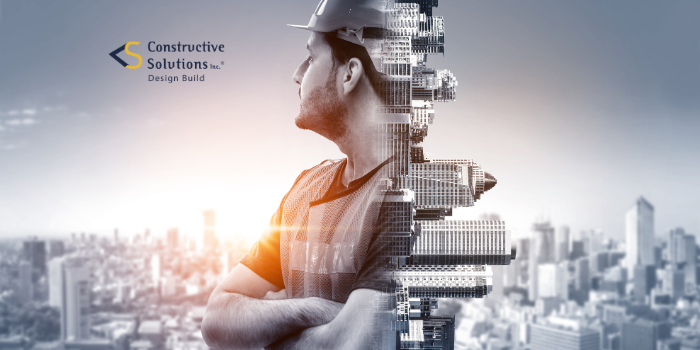
The construction industry is witnessing a paradigm shift. The traditional design-bid-build (DBB) model is gradually giving way to a more collaborative, efficient, and streamlined approach: design-build construction. This innovative project delivery method integrates design and construction services under a single contract, revolutionizing how projects are planned, executed, and delivered.
For commercial contractors and businesses seeking cost-effective, timely, and high-quality solutions, the design-build model is emerging as the go-to choice. Let’s explore why design-build is the future of the construction industry.
What Is the Design-Build Model?
The design-build construction model simplifies the construction process by uniting the designer and builder under a single contract. Unlike the traditional design-bid-build method, where design and construction are handled by separate entities, the design-build process fosters collaboration from the outset.
This method is highly beneficial for commercial design-build contractors who seek a streamlined workflow and better alignment between client goals and project outcomes.
The Core Benefits of the Design-Build Approach

1. Streamlined Communication
In the design and build process, the client interacts with one team rather than juggling multiple points of contact. This unified approach minimizes miscommunication, ensuring that the project runs smoothly from concept to completion.
For example, a commercial contractor managing a retail space renovation can seamlessly integrate architectural creativity with on-site construction realities, leading to fewer delays and errors.
2. Faster Project Delivery
Time is money, particularly in commercial construction. The traditional DBB model often involves delays caused by the bidding phase and coordination issues between architects and contractors. In contrast, design-build construction allows the design and construction phases to overlap, expediting the project timeline.
This efficiency is a significant advantage for commercial design-build contractors working on time-sensitive projects like office buildings or retail spaces.
3. Cost Savings
With a single point of accountability, the design and build model reduces cost overruns. Early collaboration helps identify cost-effective materials and methods, enabling clients to stay within budget.
For instance, a commercial contractor utilizing the design-build model can align the project scope with financial realities from the outset, avoiding surprise expenses during construction.
4. Enhanced Collaboration and Innovation
Collaboration is the hallmark of design-build construction. Designers, engineers, and builders work together, fostering creativity and innovation. This holistic approach allows for value engineering, where teams identify the best ways to achieve functionality, aesthetics, and cost-efficiency.
For businesses aiming to create unique commercial spaces, the design-build method offers unparalleled flexibility and creativity.
Why Commercial Construction Benefits From Design-Build
Simplifying Complex Projects
Commercial projects, whether office buildings, retail stores, or industrial facilities, are often complex and require meticulous coordination. The design and build approach integrates all facets of the project, simplifying workflows and ensuring that every detail aligns with the client’s vision.
For example, a commercial design-build contractor working on a mixed-use development can manage zoning laws, engineering challenges, and aesthetic requirements under one cohesive plan.
Ensuring Accountability
With one entity responsible for both design and construction, accountability is clear. If issues arise, there’s no finger-pointing between architects and contractors. This accountability is crucial for maintaining trust in commercial design-build projects.
Delivering Quality Results
Quality is paramount in commercial construction. The design-build model encourages ongoing quality checks throughout the project lifecycle. By working closely with clients, commercial contractors can ensure that the final product meets—and often exceeds—expectations.
Design-Build and Sustainability
Driving Green Building Practices
Sustainability is no longer optional in the construction industry. The design-build process naturally integrates sustainable practices by fostering collaboration and innovation. From energy-efficient designs to eco-friendly construction materials, design-build teams can incorporate green building principles seamlessly.
For example, a commercial design-build contractor might propose solar panels or energy-efficient HVAC systems during the initial design phase, ensuring these features are part of the project from the start.
Reducing Waste
The collaborative nature of the design and build model minimizes rework and waste, contributing to a more sustainable construction process. This is particularly valuable for businesses seeking to reduce their carbon footprint through sustainable commercial projects.
Key Trends Driving Design-Build Adoption

Increasing Client Expectations
Today’s clients demand more from their commercial contractors—they want projects completed faster, at lower costs, and with higher quality. The design-build model meets these demands by fostering efficiency and innovation.
Technological Advancements
Technologies like Building Information Modeling (BIM) and virtual reality are enhancing the design and build process. BIM allows for accurate, real-time collaboration, while virtual reality enables clients to visualize their projects before construction begins.
Focus on Customization
As businesses seek unique, branded environments, the design-build method provides the flexibility to customize designs to meet specific needs. Whether it’s a retail store with a distinct aesthetic or an office with smart technology integration, commercial design-build contractors can deliver tailored solutions.
Design-Build vs. Traditional Construction Methods
Comparing Costs
While traditional methods often appear cheaper initially, hidden costs like delays and change orders can escalate budgets. The design-build model offers transparent pricing and fewer unexpected expenses.
Comparing Timelines
The overlapping phases of the design-build process significantly reduce project timelines compared to the sequential approach of DBB.
Comparing Risk
By consolidating responsibility under one contract, the design-build method reduces risks for clients. Any challenges that arise are managed by the design-build team, ensuring smoother project execution.
Selecting the Right Design-Build Contractor
Choosing the right partner is critical for project success. When evaluating commercial design-build contractors, consider the following:
- Experience and Portfolio: Look for a Design-Build Contractor with proven experience in similar projects.
- Communication Skills: Effective communication is key to the success of the design-build process.
- Client Testimonials: Past client feedback can provide valuable insights into a contractor’s reliability and quality of work.
The Future of Design-Build in Commercial Construction
The rise of the design-build model reflects the evolving needs of the construction industry. With its emphasis on collaboration, efficiency, and innovation, the design and build approach is poised to dominate the future of commercial construction.
For businesses, this shift represents an opportunity to partner with commercial contractors who can deliver projects that are not only functional and beautiful but also cost-effective and timely.
Conclusion
The design-build model is transforming the construction industry by offering a more efficient, cost-effective, and client-focused approach. As businesses increasingly recognize the benefits of streamlined communication, faster delivery, and superior quality, commercial design-build contractors are becoming the preferred choice for a wide range of projects.
Whether you’re planning a retail space, an office building, or an industrial facility, the design and build process ensures your project is handled with expertise, innovation, and care. As this model continues to grow in popularity, one thing is clear: design-build is not just the future—it’s the present of commercial construction.
Constructive Solutions Inc. delivers innovative, reliable, and cost-effective design-build solutions, making them the trusted partner for all your commercial construction needs. Contact us today!


