


In the world of commercial construction, choosing the right project delivery method can make or break your success. Two of the most common methods, design-build and design-bid-build, offer distinct approaches with unique benefits and challenges. Understanding their differences is critical to making an informed decision. Here, we delve into the seven key differences between these project delivery methods, helping you determine which is best for your commercial construction project.
What is Design-Build?
Design-build is a construction delivery method where a single entity, typically a design-build firm, oversees both design and construction under a unified contract. Architects, engineers, and design-build contractors work as a unified team, ensuring seamless collaboration. This approach reduces delays, lowers costs, and allows for faster project completion, making it a popular delivery method for commercial construction projects.
What is Design-Bid-Build?
Design-bid-build divides a project into three distinct phases: design, bidding, and construction. Clients first hire an architect or designer, then solicit contractor bids, and finally select a contractor to build. While this process provides competitive bidding transparency, it often results in longer timelines and less integrated collaboration among teams.
7 Key Differences Between Design-Build vs. Design-Bid-Build

1. Project Responsibility and Accountability
In design-build, a single contract covers both design and construction, meaning one entity handles the entire process. This single-source responsibility simplifies project management, ensuring seamless communication and streamlined decision-making. By having one unified team accountable for both phases, the risk of disputes is significantly reduced, offering clients a more cohesive and stress-free experience.
Conversely, in design-bid-build, responsibilities are split between multiple contracts and teams. The client separately hires an architect or designer for the design phase and a contractor for construction. This fragmented approach can lead to communication gaps and potential conflicts if issues arise, as accountability becomes divided among different parties.
2. Timeline and Efficiency
Design-build is known for its efficiency. Since the design and construction phases overlap, projects are typically completed faster. Early collaboration between architects and design-build contractors minimizes delays, making it ideal for time-sensitive commercial projects.
In design-bid-build, the sequential nature of the process often leads to longer timelines. The design phase must be fully completed before bidding starts, followed by contractor selection and the construction phase. This method may suit projects with more flexible deadlines but might not align with commercial projects demanding quick turnarounds.
3. Cost Management and Budgeting
With design-build, cost estimation begins early in the process, giving clients better control over their budgets. Continuous collaboration ensures that the project remains within financial constraints, reducing the likelihood of unexpected expenses.
Design-bid-build often comes with a higher risk of cost overruns. While competitive bidding can potentially lower upfront costs, unexpected changes or errors during construction can lead to expensive revisions. This approach may work for projects where cost is secondary to other factors.
4. Design and Construction Collaboration
One of the hallmarks of design-build is the integrated collaboration between the design and construction teams. This cohesive partnership results in creative problem-solving and innovative solutions tailored to the client’s goals, making it highly suitable for commercial design-build projects.
In design-bid-build, the lack of collaboration between designers and contractors can create challenges. Misinterpretations or design flaws may surface during construction, leading to costly rework and delays. This lack of integration often means a less flexible process.
5. Flexibility and Customization
Design-build offers unmatched flexibility, allowing changes to be incorporated seamlessly throughout the project. This adaptability is crucial for commercial construction projects, where evolving needs often require quick adjustments.
Design-bid-build, being a more rigid method, limits opportunities for mid-project changes. Any modifications typically require renegotiations and additional contracts, adding complexity and time to the process. This rigidity may hinder projects with dynamic requirements.
6. Risk Management
Design-build minimizes risks for the client by placing greater responsibility on the design-build team. This single point of accountability means fewer disputes, ensuring smoother project execution.
In design-bid-build, the fragmented responsibilities increase the potential for disputes over design flaws, construction delays, or budget overruns. The client may bear a greater share of the risk, particularly in cases where communication between teams is lacking.
7. Cost Predictability and Transparency
Design-build promotes cost predictability through integrated planning and upfront budgeting. Transparency throughout the design-build construction process ensures that clients are always informed of potential changes, fostering trust and clarity.
Design-bid-build, with its segmented approach, often struggles with cost transparency. Bids may not account for unforeseen complications, leading to unexpected expenses that can disrupt the project’s financial plan.
Which Method is Best for Commercial Construction Projects?
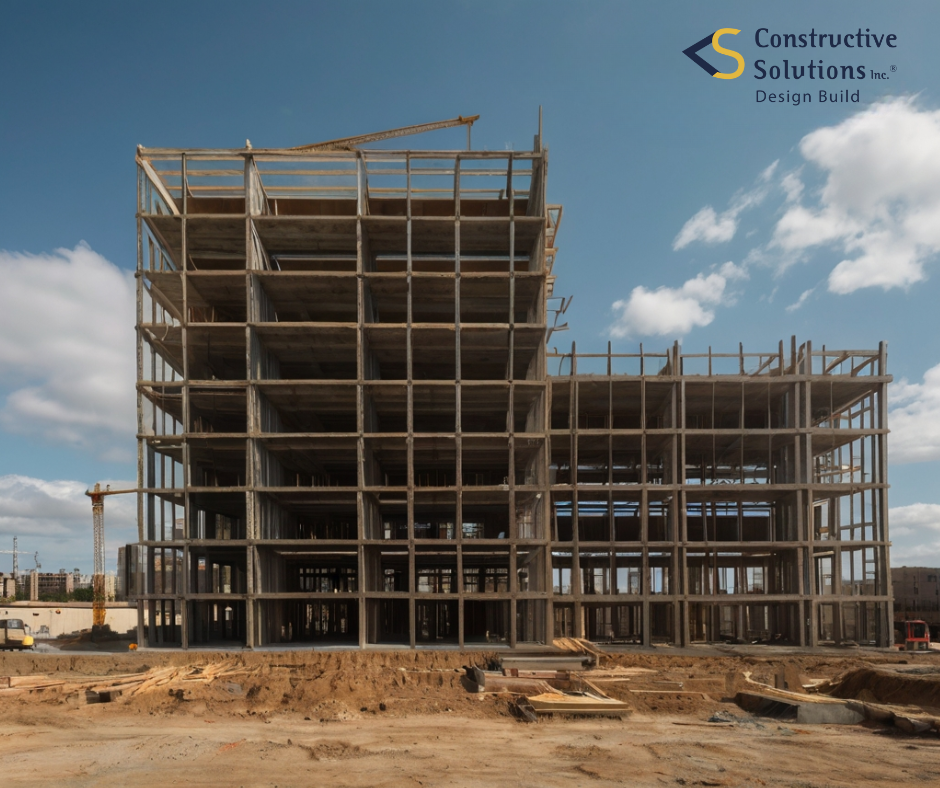
When it comes to commercial construction, design-build often emerges as the superior choice due to its streamlined process, speed, and adaptability. Its single-source accountability simplifies communication and minimizes delays, which is crucial for businesses operating on tight schedules. The collaboration between designers and commercial contractors fosters innovation, ensuring the project aligns perfectly with the client’s goals. Additionally, early cost estimation and ongoing budget management make it an ideal option for those seeking financial predictability.
However, design-bid-build may be preferable for projects where competitive bidding is a priority, providing more control over contractor selection. This method can also be suitable for clients who prefer a clearly defined process, though it often lacks the flexibility and efficiency required in fast-paced commercial environments.
Ultimately, design-build is typically the best fit for commercial projects demanding quick turnarounds, creative solutions, and a cohesive approach, while design-bid-build serves niche cases with rigid requirements.
Conclusion
Understanding design-build vs. design-bid-build is essential for selecting the best approach for your commercial construction project. Design-build shines with its integrated, efficient, and flexible approach, making it a top choice for modern commercial needs. Design-bid-build, while traditional, suits projects with specific priorities like competitive bidding. By considering the unique aspects of each method, you can ensure a successful construction project tailored to your business goals. Whether you’re embarking on a new commercial design-build project or exploring other options, making an informed decision is the key to achieving your vision.
For seamless, efficient, and innovative commercial construction, trust Constructive Solutions Inc., your expert partner in delivering exceptional results through the design-build approach.


